Index Funds vs. Picking Stocks: A Framework for Beginners
Should you buy an index fund or pick individual stocks? A clear framework on cost, time, risk and diversification — and why most beginners start with a low-cost index core.

Key takeaways
- An index fund buys a whole market in one purchase — for example, a fund tracking the S&P 500 holds a slice of 500 large US companies.
- Stock picking is not foolish; it is just demanding.
- Stock picking is not foolish; it is just demanding.
- Many investors run a “core and satellite” structure: a large core of low-cost index funds doing the heavy lifting, plus a smaller satellite of individual stocks they actively follow.
- Whichever path you pick, two forces dominate long-run outcomes: how much you pay in fees, and how long you stay invested.
One of the first real decisions a new investor faces is deceptively simple: should you buy a broad index fund, or pick individual stocks yourself? Both are legitimate. But they demand different amounts of time, carry different risks, and suit different temperaments. Getting the choice right early saves a great deal of expensive learning later.
What each approach actually is
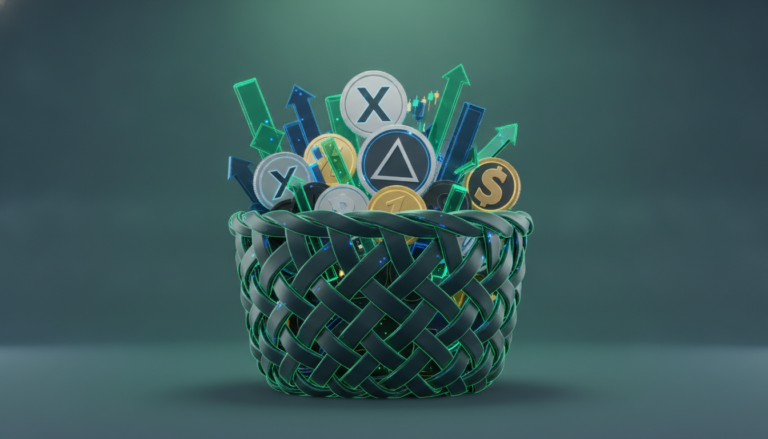
An index fund buys a whole market in one purchase — for example, a fund tracking the S&P 500 holds a slice of 500 large US companies. Your return mirrors the index, minus a small fee. Stock picking means selecting individual companies you believe will outperform. The upside is that a great pick can beat the market handily; the cost is the research, judgement, and emotional discipline required to do it consistently.
The case for starting with index funds
- Instant diversification. One purchase spreads your money across hundreds of companies. A single firm’s blow-up barely registers, because no one holding dominates the basket.
- Low cost. Broad index funds are cheap to run, and fees compound against you over decades just as returns compound for you. A fraction of a percent matters more than beginners expect.
- Low time commitment. You are not reading earnings reports every quarter or tracking management changes. For most people with full-time jobs, that is a feature, not a compromise.
- It is a genuinely hard benchmark to beat. A large majority of professional active managers fail to outperform their index over long periods, after fees. That is sobering context for anyone confident they will do better by hand.
The case for picking stocks — with eyes open
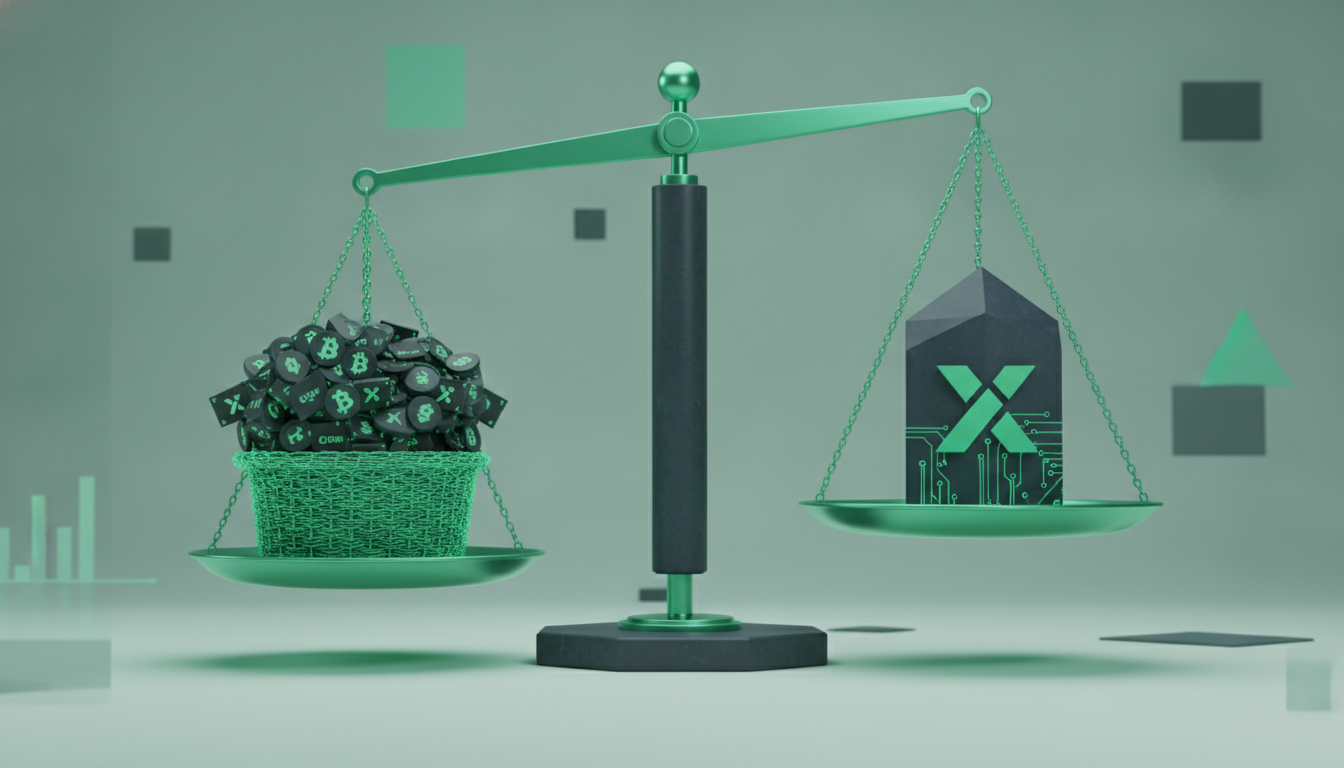
Stock picking is not foolish; it is just demanding. It can deliver returns no index will, and it forces you to genuinely understand the businesses you own. But it concentrates risk, amplifies the emotional pull of fear and greed, and rewards a kind of patient, analytical work that not everyone enjoys. If you go this route, you need a framework for valuation — our guide to the P/E ratio is a starting point — and a disciplined approach to position sizing and risk, so that one bad call cannot sink the whole portfolio.
You do not have to choose only one
Many investors run a “core and satellite” structure: a large core of low-cost index funds doing the heavy lifting, plus a smaller satellite of individual stocks they actively follow. This captures most of the stability of indexing while leaving room to back specific convictions — and to learn, with money small enough that the lessons do not hurt too much.
Let time and cost do the work
Whichever path you pick, two forces dominate long-run outcomes: how much you pay in fees, and how long you stay invested. Consistent contributions over time tend to matter more than clever timing — the logic behind dollar-cost averaging. You can model how steady investing compounds with our compound interest calculator, and check current quotes on the stocks page.
There is no universally correct answer here — only the one that fits your time, temperament and goals. For most beginners, a low-cost index core is the calmer, evidence-backed place to start, with individual picks added later as understanding grows.
This article is general education, not investment advice. Nothing here is a recommendation regarding any security or fund. Please read our full disclaimer.
20 years of experience across financial markets — Comex, Forex, NSE, BSE, MCX and NCDEX. Technical research analyst covering shares and the crypto market.